With production set for March, The Final Fight adds national advocate Marlene Schneider to its producing team, strengthening its social impact mission.
NEW YORK CITY, NY, UNITED STATES, March 1, 2026 /EINPresswire.com/ — A powerful new voice is joining the creative team behind The Final Fight, a feature film inspired by a New York Times cover story examining family conflict, elder abuse, and the guardianship system.
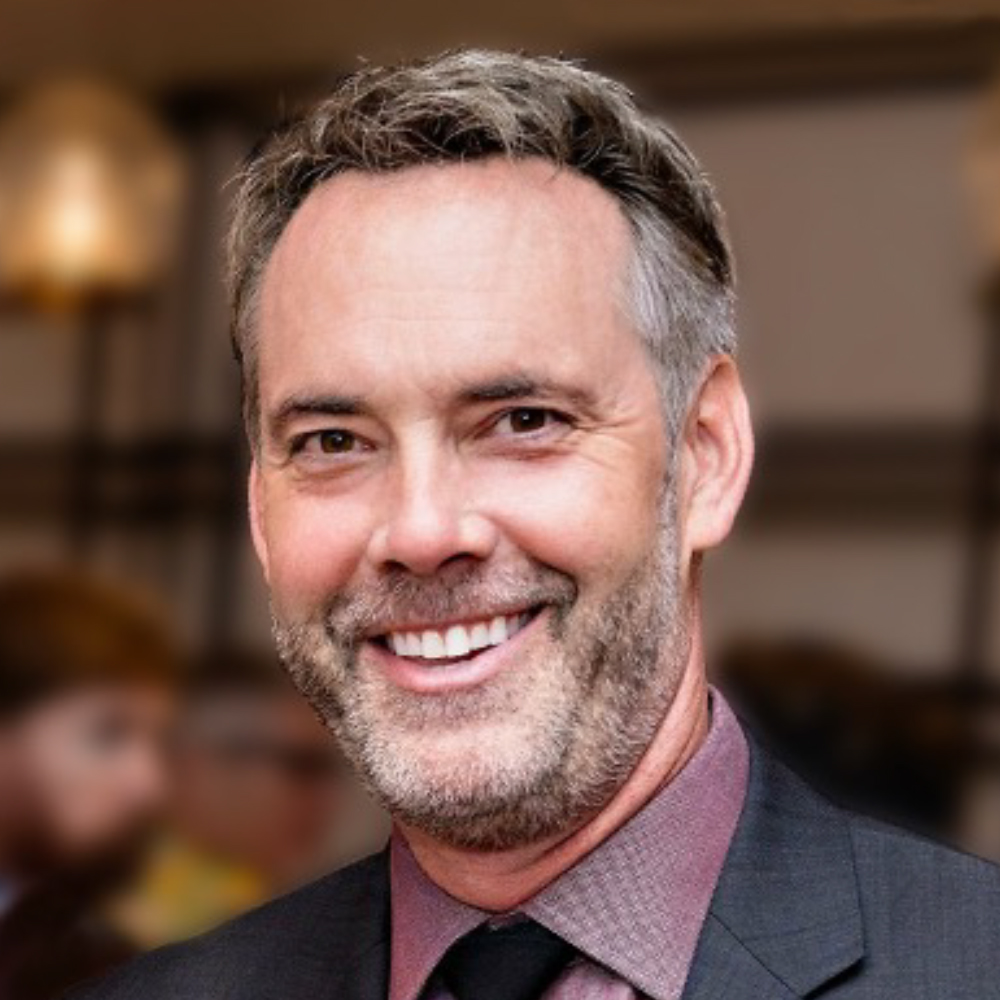
Producer and creator Todd J. Stein has announced that Marlene Schneider, a nationally respected advocate for and former Vice President at the National Council on Aging, has joined the project as a producer. Schneider brings decades of experience advancing policies that protect vulnerable populations, making her transition into filmmaking a natural extension of her lifelong mission.
The Final Fight is being directed by Steven Feder. Casting is currently underway in New York, with production scheduled to begin filming in March. The project has already begun generating industry buzz. The short film has attracted early attention, helping spark interest from established talent. The film’s prestigious casting director, Adrienne Stern, has received strong positive feedback from some of the industry’s top agents and managers, signaling confidence in both the material and the creative team. Announcements regarding the casting of the project’s lead roles are expected soon and are already being anticipated by many.
The Final Fight tells the true-inspired story of a once-celebrated New York boxing champion and pioneering fitness entrepreneur whose later years become entangled in a controversial guardianship battle that fractures his family and threatens his independence. At its core, the film explores identity, dignity, loyalty, and redemption, asking what happens when the man who once fought for everyone else must now fight for himself.
The real-life inspiration for the story is Stein’s father, a trailblazer in the early modern fitness industry whose career began with the renowned Vic Tanny organization, one of the first national gym chains in America. His first club, opened in Manhattan’s Shelton Towers on Lexington Avenue, quickly attracted a celebrity clientele that included Barbra Streisand, Liza Minnelli, George Hamilton, and Burt Reynolds, reflecting the growing cultural influence of fitness during that era. In 1965, he expanded to Brooklyn Heights, opening a club that became a unique crossroads of New York society. Members included professionals working in the nearby downtown courts, district attorneys, judges, and lawyers, alongside figures from the city’s organized crime world. Among the more colorful personalities connected to that environment was defense attorney Bruce Cutler, who would later gain national notoriety representing John Gotti.
The gym’s proximity to law enforcement and criminal networks placed it near events that would later become part of federal history. During the mid-1970s, future FBI Director Louis J. Freeh worked undercover for years gathering intelligence that contributed to Operation UNIRAC, a major federal investigation into corruption and organized crime influence within New York’s judicial system. These vivid historical elements provide a textured backdrop for the film, grounding the story in a world where power, loyalty, and justice often intersected in unexpected ways, themes that ultimately echo in the later guardianship conflict at the heart of the narrative.
The film’s emotional core follows a son determined to save his father from a system he believes has failed him, confronting institutional authority, family betrayal, and his own past mistakes along the way. Through this personal struggle, the story sheds light on a largely misunderstood legal process that affects millions of families across the United States. For creator Todd J. Stein, the project is deeply personal. Stein’s goal is not only to tell a compelling cinematic story but also to spark national awareness about guardianship reform and the rights of older adults. Having lived through many of the events that inspired the screenplay, he has positioned the film as both an emotional drama and a catalyst for conversation, bridging entertainment with social impact. “This story is about more than one family,” Stein has said. “It’s about dignity, justice, and the fundamental human right to have your voice heard, especially when the system is stacked against you.” In 2021, journalist John Leland chronicled these events in a New York Times cover story, “The Fight of This Old Boxer’s Life Was With His Own Family.”
The story also reflects the influence of Stein’s mother, a former model and longtime Upper East Side community advocate who helped shape his values. She received a formal proclamation from Assembly Member Rebecca Seawright recognizing her contributions to the Lenox Hill community, where she raised Stein and continues to reside. Now approaching her 92nd birthday in March, she is eagerly looking forward to meeting the actress who will portray her in the film, a moment that carries special emotional meaning for the family.
Schneider’s involvement strengthens the project’s broader mission. She is expected to help lead outreach to advocacy organizations, policymakers, and community groups, ensuring the film resonates beyond audiences and into real-world dialogue about elder justice.
With casting advancing and production approaching, Schneider’s move from policy to production signals growing momentum behind a film that aims to combine emotional authenticity with national impact, using a narrative storytelling to illuminate an issue that often remains hidden until families experience it themselves.
Colin Harp
Team Stein
email us here
+1 917-842-0625
Visit us on social media:
LinkedIn
Instagram
Facebook
YouTube
X
Other
Concept Sizzle Reel The Final Fight
Legal Disclaimer:
EIN Presswire provides this news content “as is” without warranty of any kind. We do not accept any responsibility or liability
for the accuracy, content, images, videos, licenses, completeness, legality, or reliability of the information contained in this
article. If you have any complaints or copyright issues related to this article, kindly contact the author above.